
What Is the 50/20/30 Rule for Weddings?
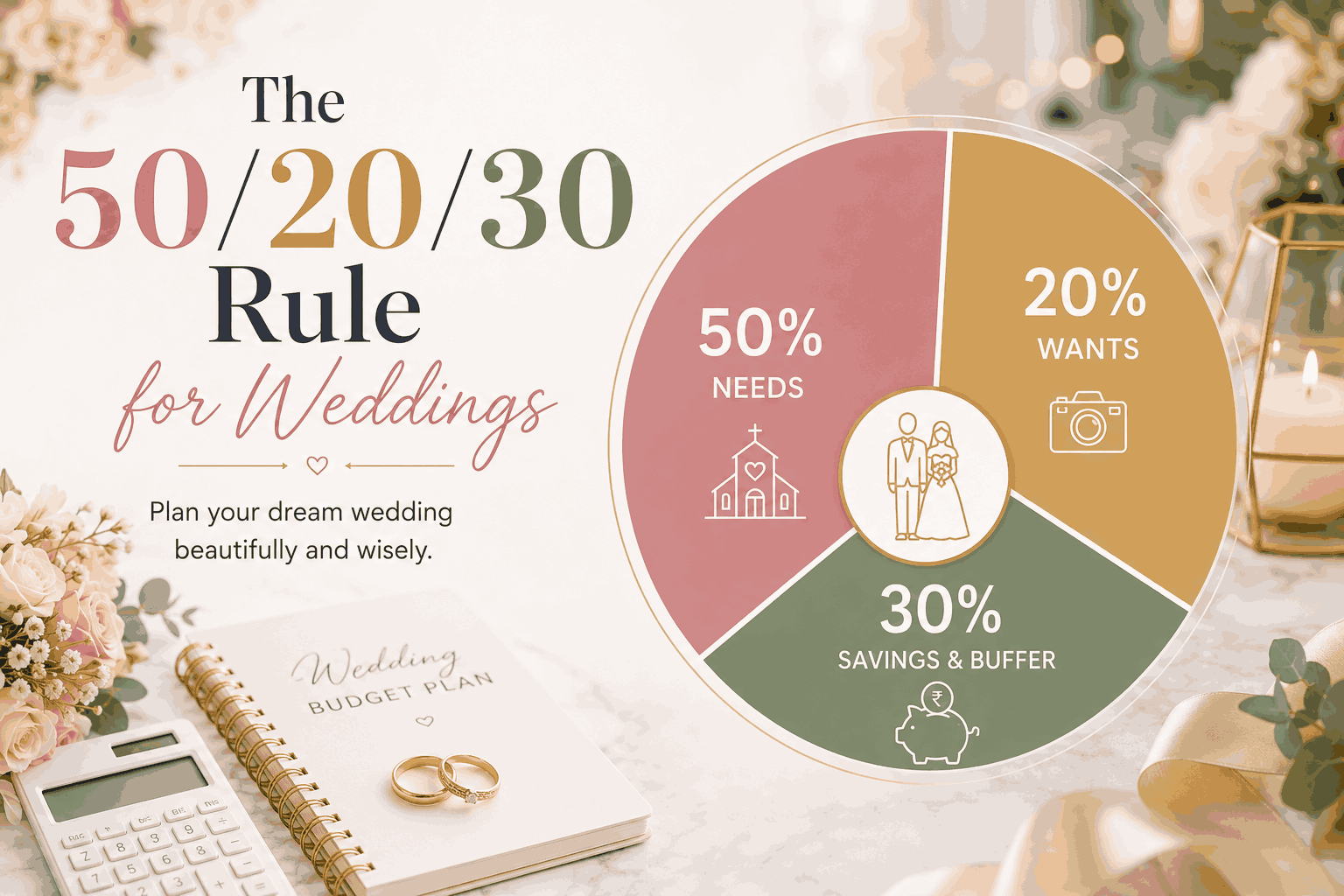
Planning a wedding is exciting, emotional, and unforgettable—but it can also become financially overwhelming if couples do not create a structured budget from the beginning. One of the most practical budgeting frameworks modern couples are using today is the 50/20/30 wedding rule. Adapted from traditional personal finance methods, this rule helps divide wedding expenses into manageable categories so couples can celebrate beautifully without unnecessary debt or financial stress.
Instead of guessing how much to spend on décor, food, photography, or entertainment, the 50/20/30 rule creates a clear roadmap that prioritises essentials while still allowing room for personalisation and unexpected expenses. Whether you are planning an intimate ceremony or a grand destination wedding, understanding this rule with the best Wedding Planning Services India can help you stay financially balanced throughout the entire planning process.
Understanding the 50/20/30 Wedding Rule
The 50/20/30 wedding budgeting rule is a simplified financial strategy that divides your total wedding budget into three primary sections:
- 50% for core essentials
- 20% for personalisation and luxury elements
- 30% for flexible costs, emergency expenses, and remaining wedding needs
This framework is designed to prevent overspending in one category while ensuring every major wedding component receives appropriate financial attention. Wedding planning companies in India often recommend this system because it helps couples focus on what truly matters while maintaining financial discipline.
The First 50%: Wedding Essentials
Half of your wedding budget is typically allocated to the most essential and unavoidable expenses. These are the foundational elements that make the wedding possible.
This category usually includes:
- Venue booking
- Catering
- Food and beverages
- Seating arrangements
- Basic rentals
- Wedding permits
- Ceremony setup
Industry insights show that venue and catering alone often consume the largest portion of wedding budgets because guest count directly affects costs.
Why Essentials Take the Biggest Share?
Food, venue, and hospitality define the overall guest experience. Couples may reduce decoration costs or skip luxury add-ons, but guests will always remember the quality of the venue and the dining experience.
For example, if your total wedding budget is ₹10 lakh:
- ₹5 lakh would go toward:
- Venue
- Catering
- Drinks
- Furniture rentals
- Basic event logistics
This allocation ensures the backbone of the wedding is secured first before spending on luxury elements.
The 20%: Personalisation and Luxury Elements
The next portion of the budget focuses on aesthetics, memories, and emotional experiences. This is the category where couples can express their personality and style.
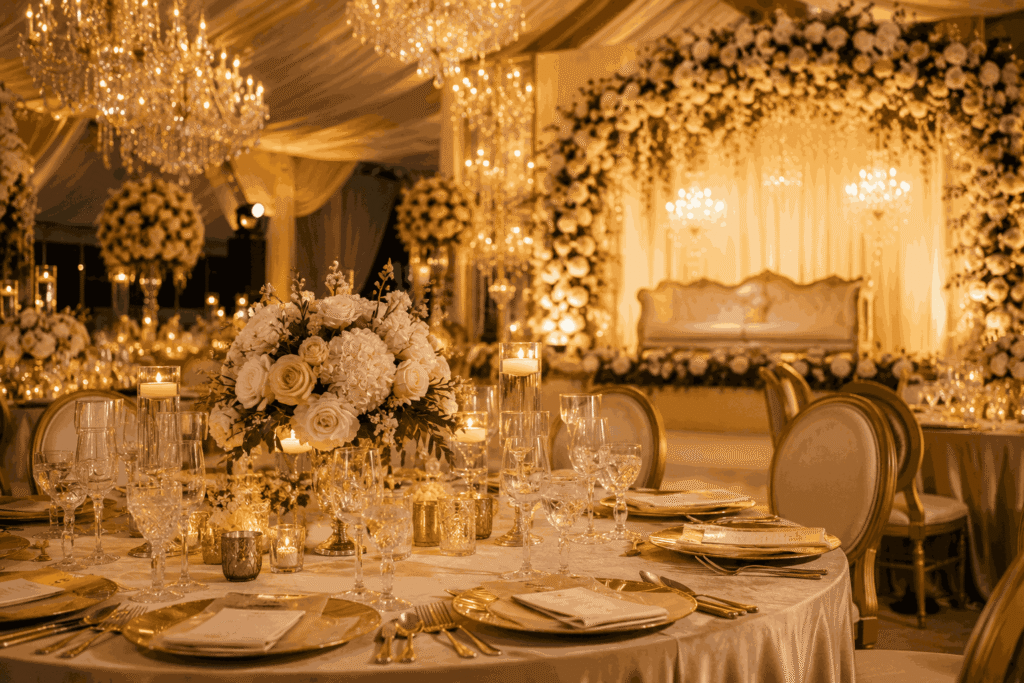
This section may include:
- Wedding attire
- Bridal makeup
- Photography and videography
- Entertainment
- Floral décor
- Live music
- Wedding invitations
- Designer elements
These aspects elevate the wedding from a simple gathering into a memorable celebration.
Why This Category Matters?
Modern weddings are highly experience-driven. Social media trends, cinematic wedding films, luxury décor themes, and personalised entertainment have transformed weddings into deeply curated events.
However, this category can also become dangerous for overspending. Couples often get emotionally attached to premium décor upgrades, designer outfits, or extravagant entertainment packages.
The 20% cap helps maintain balance without sacrificing elegance.
For a ₹10 lakh budget:
- ₹2 lakh would go toward:
- Bridal and groom attire
- Photography
- DJ or live music
- Floral arrangements
- Stage design
This encourages smart prioritisation rather than impulsive spending.
The Remaining 30%: Flexible and Hidden Wedding Costs
Many couples underestimate how many hidden expenses appear during Wedding Planning Services India. The remaining 30% acts as a flexible allocation for additional costs, emergency situations, and final arrangements.
This portion may cover:
- Transportation
- Accommodation
- Wedding favors
- Taxes and service charges
- Vendor tips
- Honeymoon expenses
- Last-minute guest additions
- Backup weather arrangements
- Extra décor requirements
- Legal marriage documentation
Wedding experts frequently emphasise the importance of maintaining a contingency budget because unexpected expenses almost always arise during planning.
Why the Flexibility Buffer Is Important?
Without a reserve budget, couples may rely on credit cards or loans during the final weeks before the wedding. Financial stress can overshadow what should be a joyful occasion.
The 30% segment provides breathing room and reduces panic when surprise costs emerge.
For a ₹10 lakh wedding:
- ₹3 lakh may cover:
- Hotel bookings
- Transportation logistics
- Wedding gifts
- Vendor overtime charges
- Miscellaneous expenses
This flexibility helps couples stay financially secure even when plans evolve.
Does the 50/20/30 Rule Work for Every Wedding?
The answer is no—and that is perfectly normal.
Different wedding styles require different budget structures. The 50/20/30 rule is best viewed as a starting framework rather than a rigid formula.
Situations Where the Rule Works Well
The structure works effectively for:
- Traditional weddings
- Medium to large guest lists
- Ballroom receptions
- All-inclusive venue packages
- Standard destination weddings
Situations Where Adjustments Are Needed
The percentages may shift significantly for:
- Luxury weddings
- Micro weddings
- Beach weddings
- DIY weddings
- Cultural weddings with multiple ceremonies
- Destination celebrations
For example:
- A luxury décor-focused wedding may spend 40% on aesthetics alone.
- A micro wedding may allocate less to catering and more to photography.
- A destination wedding may require higher travel and accommodation costs.
The key is flexibility.
Common Mistakes Couples Make
Ignoring Hidden Charges
Taxes, vendor fees, delivery costs, and overtime charges can quietly increase the final budget.

Overspending on Trends
Couples often spend excessively on temporary social media trends that may not add long-term value to the experience.
Not Prioritising Guest Count
Guest count directly impacts:
- Food costs
- Seating
- Invitations
- Venue size
- Accommodation
Reducing guest numbers is often the fastest way to reduce overall expenses.
Skipping Emergency Funds
Unexpected costs are nearly unavoidable during weddings. Couples who fail to create backup funds usually experience the highest financial stress.
Tips to Make the 50/20/30 Rule More Effective
Set Priorities Early
Discuss your top three wedding priorities before booking vendors.
Track Every Expense
Use spreadsheets or wedding budgeting apps to monitor spending in real time.
Compare Multiple Vendors
Never finalise the first vendor quote without comparing alternatives.
Avoid Wedding Debt
Financial experts warn against starting married life under heavy debt burdens.
Focus on Experience Over Excess
Guests remember meaningful moments more than expensive details.
Conclusion
The 50/20/30 wedding budgeting rule offers couples a smart and balanced way to organise wedding expenses without losing control financially. By dividing spending into essentials, personalisation, and flexible costs, couples can create memorable celebrations while avoiding unnecessary financial pressure. The biggest strength of this framework is its simplicity—it provides structure while still allowing room for customisation based on personal priorities and wedding style.If you are planning your dream wedding and want Wedding Planning Services India, curated wedding inspiration, trusted vendors, and seamless planning support, explore Hitched India for everything you need to create a truly unforgettable celebration.