
What’s the First Step in Wedding Planning? A Beginner’s Guide
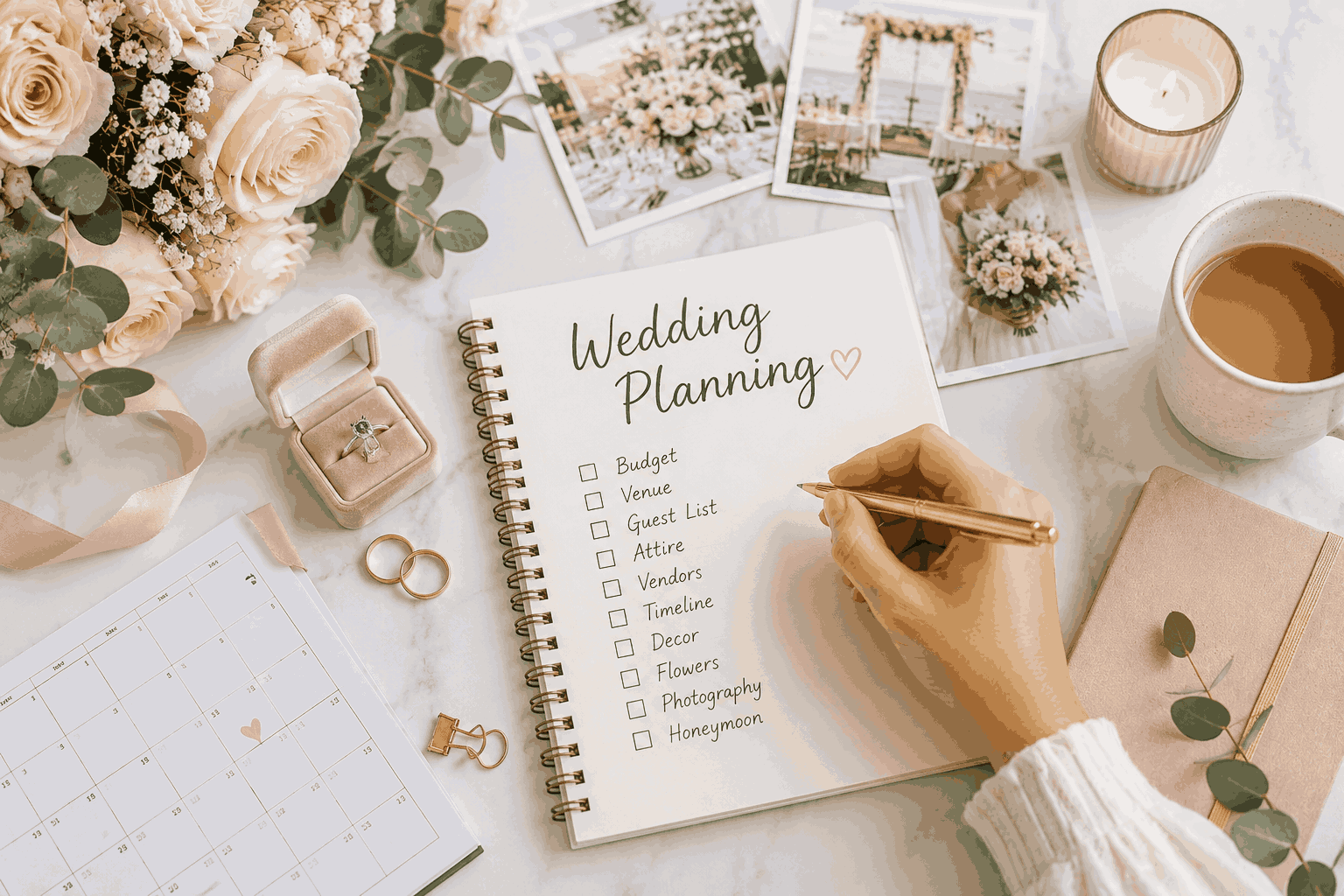
Planning a wedding is one of the most exciting experiences in life, but it can also feel overwhelming when you don’t know where to start. From selecting a venue and creating a guest list to managing budgets and choosing vendors, there are countless decisions to make. Many couples dive straight into searching for wedding dresses or browsing venues, only to realise later that they skipped the most important foundational steps.
If you’re newly engaged and wondering where to begin, you’re not alone. This beginner’s guide will walk you through the very first step in wedding planning and explain how to build a strong roadmap for a smooth, stress-free wedding journey with the best Wedding Planning Services India provider.
The Real First Step: Define Your Wedding Vision
Before booking a venue, contacting vendors, or shopping for outfits, the first step in wedding planning is defining your wedding vision.
A wedding vision is a clear picture of what you and your partner want your special day to look and feel like. It serves as the foundation for every decision you’ll make moving forward.
Ask yourselves:
- Do you want a grand celebration or an intimate gathering?
- Would you prefer a traditional wedding or a modern ceremony?
- Is a destination wedding appealing?
- What kind of atmosphere do you want—elegant, rustic, luxurious, or casual?
- Which cultural, religious, or family traditions are important to include?
Having these conversations early helps ensure both partners are aligned and prevents misunderstandings later.
Discuss Your Budget Early
Once you’ve established a general vision, the next crucial step is setting a realistic budget.

Your budget determines nearly every aspect of your wedding, including:
- Venue selection
- Guest count
- Catering options
- Entertainment
- Décor
- Photography and videography
- Wedding attire
Sit down together with your Wedding Planning Services India specialist and discuss:
- How much can you comfortably spend
- Whether family members will contribute financially
- Which elements are your top priorities
For example, some couples prioritise photography, while others may value food, entertainment, or venue aesthetics more. Knowing where to allocate funds helps you avoid overspending and unnecessary stress.
Create a Preliminary Guest List
One of the biggest factors influencing wedding costs is the number of guests.

Before venue hunting, create a rough guest list that includes:
Immediate Family
Parents, siblings, grandparents, and close relatives.
Extended Family
Aunts, uncles, cousins, and family friends.
Friends
Close friends, colleagues, and social circles.
Special Guests
Mentors, business associates, or important community members.
Even if the list isn’t finalised, having an estimated guest count helps narrow down venue options and budget expectations.
Choose Your Wedding Date Range
Many couples believe they must select an exact wedding date immediately. In reality, it’s often better to choose a preferred date range first.
Consider factors such as:
- Weather preferences
- Holiday schedules
- Venue availability
- Family commitments
- Travel requirements for guests
Having flexibility can increase your chances of securing your dream venue and vendors while potentially saving money during off-peak seasons.
Prioritise What’s Most Important
Every couple has unique priorities. Understanding what matters most helps streamline planning and avoid decision fatigue.
Some common priorities include:
The Venue
A breathtaking venue can set the tone for the entire celebration.
Food and Beverage
Many guests remember exceptional dining experiences long after the wedding.
Photography and Videography
Professional coverage preserves memories that last a lifetime.
Entertainment
Live music, DJs, and performances create memorable guest experiences.
Cultural Traditions
For many couples, honouring traditions and rituals is the centrepiece of the wedding.
Create a list of your top three priorities and allocate more resources toward those areas.
Research Wedding Styles and Inspiration
Once your vision becomes clearer, start gathering inspiration.
Browse:
- Wedding blogs
- Social media platforms
- Bridal magazines
- Pinterest boards
- Real wedding galleries
Pay attention to:
- Color palettes
- Floral arrangements
- Table settings
- Ceremony layouts
- Bridal fashion
- Lighting concepts
Save ideas that resonate with both of you. This collection will later help vendors understand your preferences and style.
Start Venue Research
After establishing your budget, guest count, and vision, venue research becomes much easier.
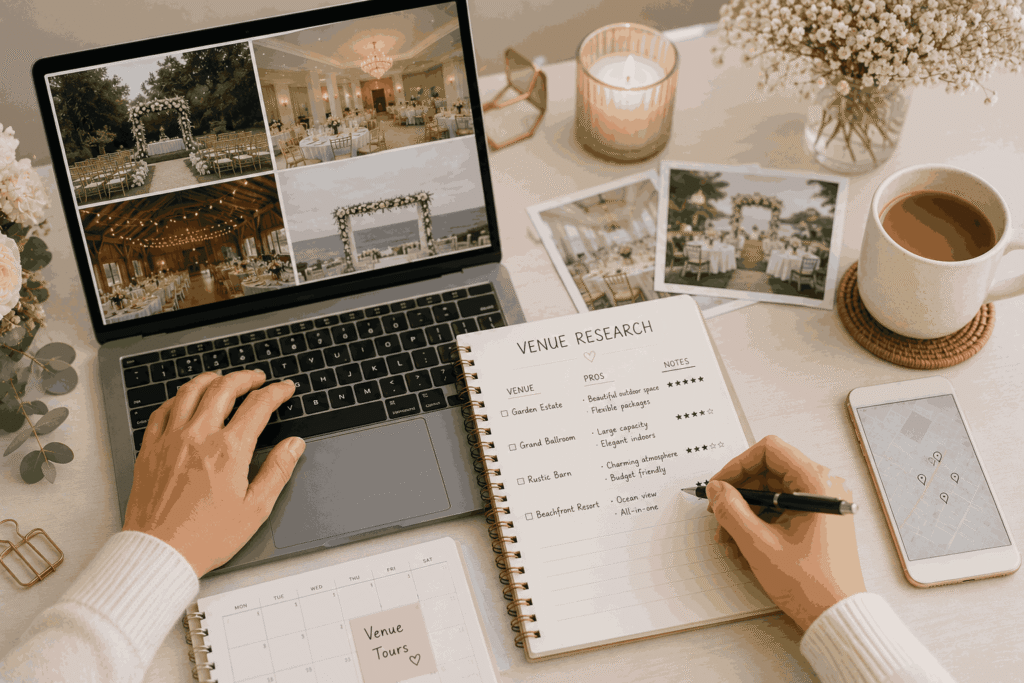
When evaluating venues, consider:
Capacity
Can the venue comfortably accommodate your expected guest count?
Location
Is it accessible for guests and vendors?
Amenities
Does it include parking, accommodation, catering, or event coordination?
Flexibility
Can the space accommodate your desired décor and theme?
Cost
Does it fit within your budget without sacrificing other priorities?
Remember that the venue often dictates many other wedding decisions, making it one of the most significant bookings.
Build Your Planning Timeline
Wedding planning involves numerous moving parts. Creating a timeline helps keep everything organised.
Typical milestones include:
12–18 Months Before
- Set budget
- Define vision
- Choose venue
- Hire planner
9–12 Months Before
- Book major vendors
- Select wedding attire
- Plan décor concepts
6–9 Months Before
- Finalise guest list
- Send save-the-dates
- Arrange travel accommodations
3–6 Months Before
- Confirm vendor details
- Schedule fittings
- Plan ceremony timeline
Final Month
- Final guest confirmations
- Vendor coordination
- Wedding day preparation
A structured timeline prevents last-minute panic and ensures nothing gets overlooked.
Consider Hiring Professional Help
Many couples underestimate how much coordination goes into a wedding.
Professional wedding planners can assist with:
- Budget management
- Vendor negotiations
- Timeline creation
- Venue selection
- Design concepts
- Day-of coordination
Even partial planning services can significantly reduce stress and improve the overall wedding experience.
Communicate Openly Throughout the Process
One of the most overlooked aspects of wedding planning is communication.
Regular discussions with your partner help ensure:
- Shared expectations
- Budget alignment
- Conflict resolution
- Better decision-making
Remember that your wedding is ultimately about celebrating your relationship. Maintaining open communication throughout planning strengthens your partnership and helps create a celebration that reflects both of your personalities.
Common Mistakes Beginners Should Avoid
As you begin planning, try to avoid these common pitfalls:
Starting Without a Budget
This often leads to overspending and difficult compromises later.
Booking a Venue Before Knowing Guest Count
You may end up with a space that’s too large or too small.
Trying to Please Everyone
Focus on what matters most to you as a couple.
Waiting Too Long to Book Vendors
Popular venues and vendors often book months or even years in advance.
Ignoring Planning Timelines
Procrastination can create unnecessary stress and limit your options.
Bottom Line
The first step in wedding planning isn’t booking a venue or shopping for attire—it’s defining your wedding vision. By discussing your goals, establishing a budget, creating a preliminary guest list, and identifying your priorities, you’ll build a strong foundation for every decision that follows. A clear plan makes the entire process more enjoyable, organised, and meaningful.
For couples looking for expert guidance and comprehensive Wedding Planning Services India, Hitched India offers everything needed to turn your dream wedding into a beautifully executed reality.