
Wedding Planner Packages in India: What’s Included and How Much Should You Budget?
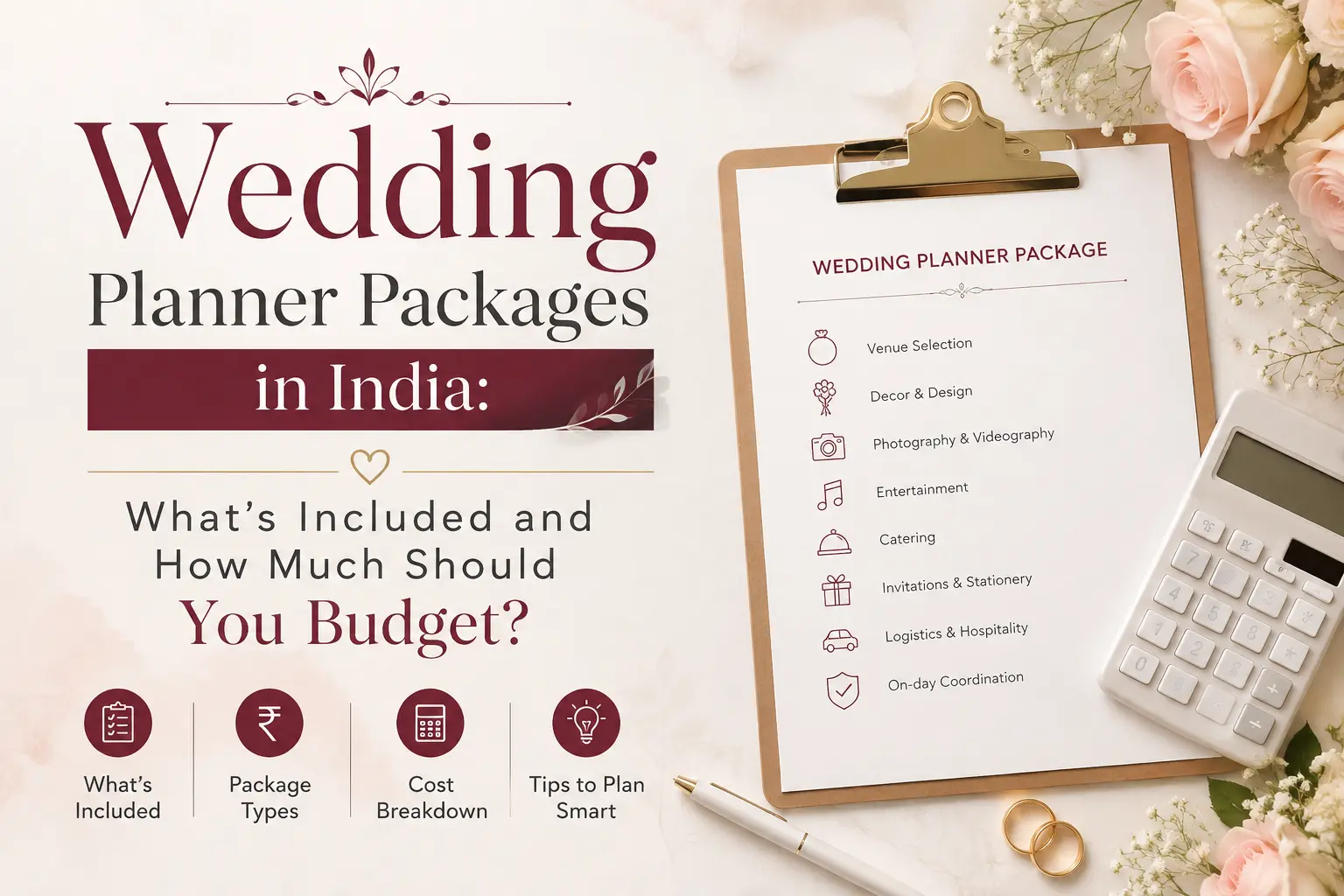
Planning a wedding with the best wedding planner in India is less about choosing a package and more about making the right decisions with a fixed budget. Your guest count, venue location, accommodation needs, food preferences, décor expectations, entertainment, photography, and logistics can quickly change the final cost.
A ₹50 lakh wedding and a ₹1 Cr wedding may have similar functions, yet their budgets can look completely different because of multiple factors. Therefore, before booking anything, it is important to understand where your money should go, which choices can increase costs, and where you can optimise without compromising the experience. This approach helps you build a realistic wedding plan from the beginning.
Start With Your Total Wedding Budget
The first step is to decide the maximum amount you are genuinely comfortable spending. Avoid starting with a venue or décor inspiration and then trying to build the budget around it. For example, if your total wedding budget is ₹1 Cr, every major decision should fit within that figure.
Keep a small buffer because weddings frequently involve last-minute requirements, additional guests, transportation changes, or unexpected vendor expenses. Your budget should also account for all functions. A wedding with mehendi, haldi, sangeet and the main ceremony will naturally require a different allocation from a single-day celebration.
Guest Count Can Make or Break the Budget
The number of guests is one of the biggest factors affecting wedding expenditure. More guests mean more rooms, meals, seating, transportation, invitations, hampers and sometimes larger venues. Therefore, finalise an approximate guest count before seriously comparing properties. Suppose your budget is ₹1.25 Cr. Planning for 150 guests instead of 300 can completely change the type of venue and hospitality you can provide.
A smaller guest list can allow you to choose a better property, provide more comfortable accommodation, improve food quality, or invest more in décor and entertainment. Therefore, don’t ask only, “Which venue looks beautiful?” Ask, “Which venue makes sense for our guest count and total budget?”
Choose the Property Based on the Overall Cost
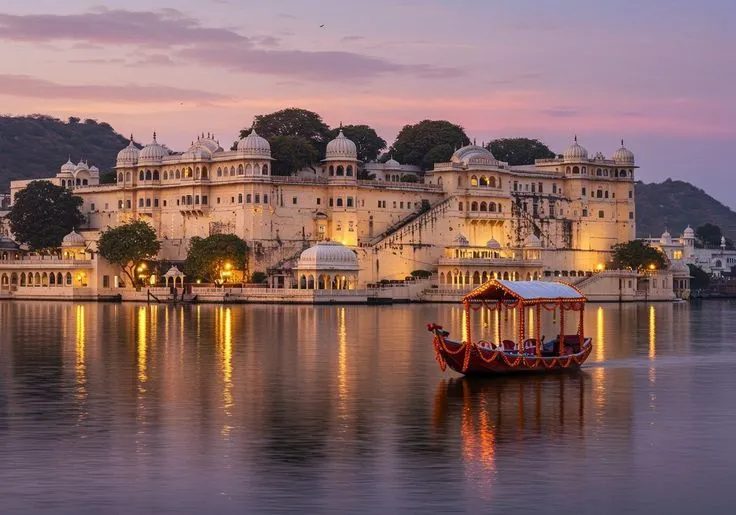
A venue’s quoted room or event price does not always represent its actual cost. Check what is included. Look at accommodation, meals, taxes, service charges, event spaces, electricity, technical requirements, licenses and other mandatory charges.
A property that appears expensive initially may offer better value if it includes accommodation and food. Similarly, a seemingly inexpensive venue may become costly once external vendors, transportation and additional services are added. Compare the total wedding cost at the property, not simply the venue rental.
Location Matters More Than You Think
Remote wedding destinations can sometimes offer attractive properties at competitive rates, according to the destination wedding companies in India. However, accessibility needs to be considered. If guests have to travel long distances after reaching the nearest airport or railway station, transportation costs can increase considerably. You may also need additional vehicles for airport transfers, local movement and vendor transportation.
A well-connected location can reduce logistical pressure and improve the guest experience. The right choice depends on your priorities. If you are planning a destination wedding, calculate travel and transportation costs before deciding that a remote property is more economical.
How to Allocate Your Wedding Budget?
There is no universal formula because every wedding has different priorities. However, a practical starting framework suggested by the best wedding planner in India can look like this:
| Wedding Expense | Approximate Budget Allocation |
| Venue, accommodation & food | 40–45% |
| Décor & technical production | 25-30% |
| Artists & entertainment | 8–10% |
| Photography & videography | 6-7% |
| Hair & makeup | 3–4% |
| Miscellaneous expenses – logistics, gifting, panditji | 6-7% |
| Wedding planning & management | 7-8% |
These percentages are guidelines rather than rigid rules. The total can move outside 100% depending on the wedding’s requirements, because certain expenses overlap or vary significantly.
For instance, a ₹1.5 Cr wedding could broadly allocate around ₹70-80 lakh toward venue, accommodation and food. Décor and technical production could receive approximately ₹30-35 lakh, while entertainment might receive ₹8-10 lakh. Photography, makeup, miscellaneous requirements and planning with the Luxury Wedding Planners in India can then be adjusted according to priorities.
Décor Is Where Budgets Can Escalate Quickly
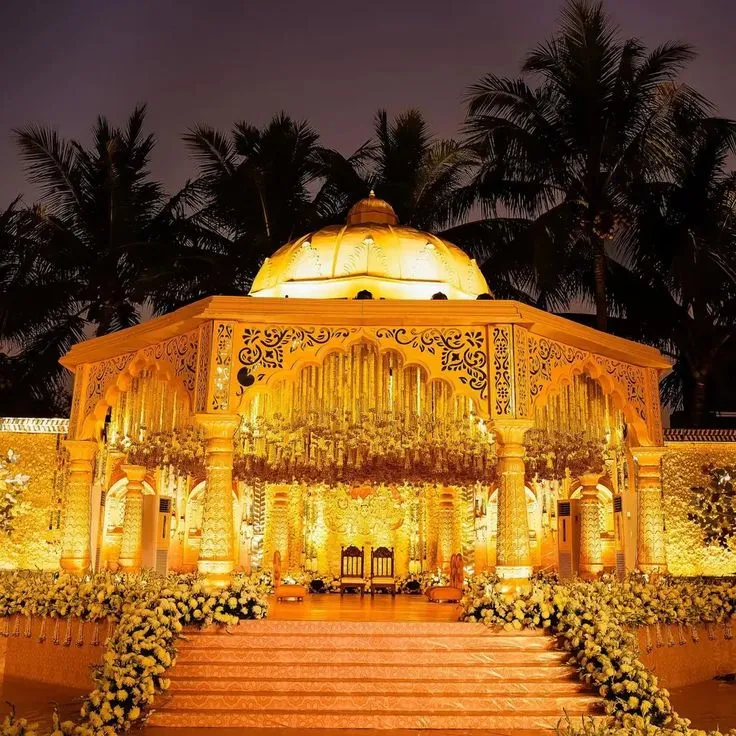
Décor can dramatically change the appearance of a wedding, but it can also become one of the easiest areas for overspending. Start by identifying the functions that genuinely require elaborate décor. You do not necessarily need the same level of production for every event.
Technical production can also include lighting, sound, LED screens, staging and power requirements. These costs should be considered alongside décor rather than treated as completely separate decisions. A clear décor brief can prevent unnecessary additions during the planning process.
Entertainment Should Match the Wedding
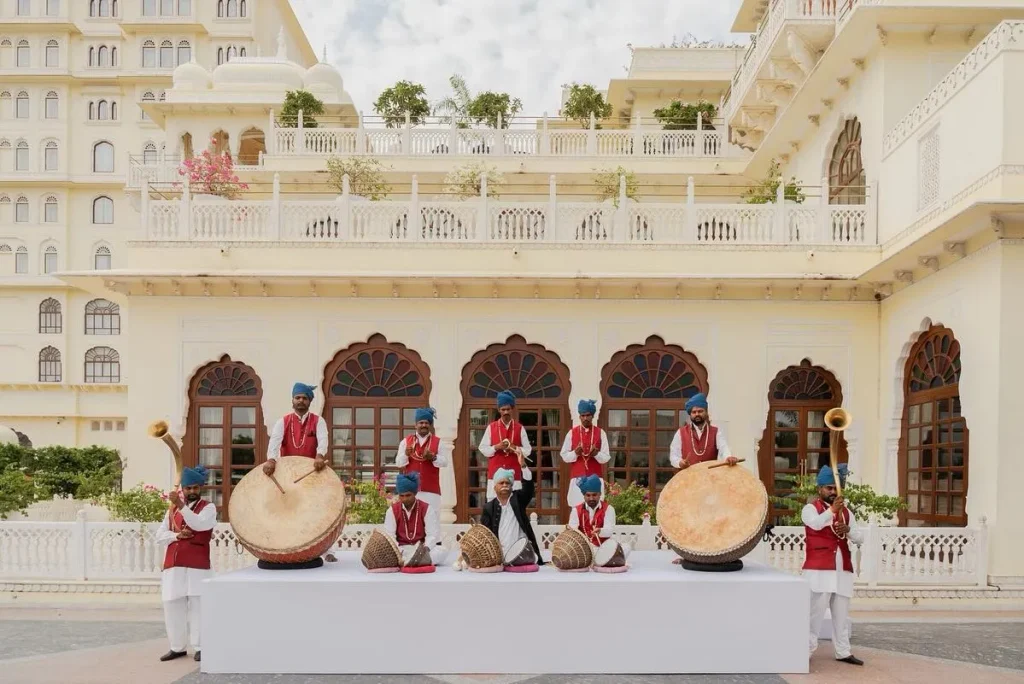
Entertainment budgets can vary significantly. A DJ, live band, professional performers, celebrity artist or multiple acts can all have very different costs. Instead of selecting entertainment based purely on popularity, consider your guest profile and event format.
For example, a sophisticated live performance may work well for one celebration, while a DJ-led evening may be more appropriate for another. Choosing entertainment according to the audience can help you spend strategically rather than simply spending more.
Don’t Underestimate Photography and Makeup
Photography and videography capture the memories of the celebration, so quality matters. However, the right selection should be based on your requirements, coverage hours, deliverables, team size and style rather than simply choosing the most expensive option.
Similarly, hair and makeup requirements can vary depending on the number of functions, people requiring services, and the number of artists needed. Discuss the complete schedule beforehand so additional hours or extra artists do not create unexpected costs.
Keep a Separate Miscellaneous Budget
Some of the smallest-looking expenses can collectively become significant. Your miscellaneous allocation may cover wedding hampers, guest logistics, ritual-related costs, panditji, transportation requirements, stationery, last-minute purchases and other event-specific expenses.
Keeping approximately 4–5% aside for such requirements can give you more flexibility when unexpected needs arise.
Event Management and Execution Matter
Wedding planning is not limited to selecting vendors. Someone needs to coordinate timelines, communicate with the venue and vendors, manage guest movement, supervise setup, coordinate technical teams and ensure that every function runs according to schedule.
From venue selection to vendor coordination and event-day execution, these responsibilities can become extensive, particularly when multiple functions and locations are involved. This is why professional planning should be considered part of the overall wedding budget rather than an afterthought.
How to Maximise Your Wedding Budget?
The easiest way to maximise your budget is to prioritise what matters most to you. If guest experience is the priority, allocate more toward accommodation and food. If visual production matters most, décor and technical production may receive a larger share.
Also compare venues based on their complete offering. A property that combines accommodation, food and event spaces can sometimes simplify logistics and reduce additional costs. Finally, lock important decisions early. Last-minute bookings can limit your options and make budget control more difficult.
Bottom Line
A successful wedding budget is not about spending the most money. It is about putting the right amount of money into the things that matter most to you and your guests. Venue, accommodation, food, décor, entertainment, photography, makeup, logistics and event execution should all be considered together before finalising major commitments.
The planning and management component may generally fall around 7-8% of the overall wedding budget, although it can exceed this slightly depending on the scale, number of functions, locations and additional requirements. At Hitched India, the approach is not based on offering random or fixed wedding packages. The team at the best wedding planner in India first understands the events, requirements and scope before providing a flat fee after consultation, making the planning cost clearer and more relevant to the wedding being organised. To simplify the process from venue selection through event management and final execution, explore us and discuss your requirements with the team.